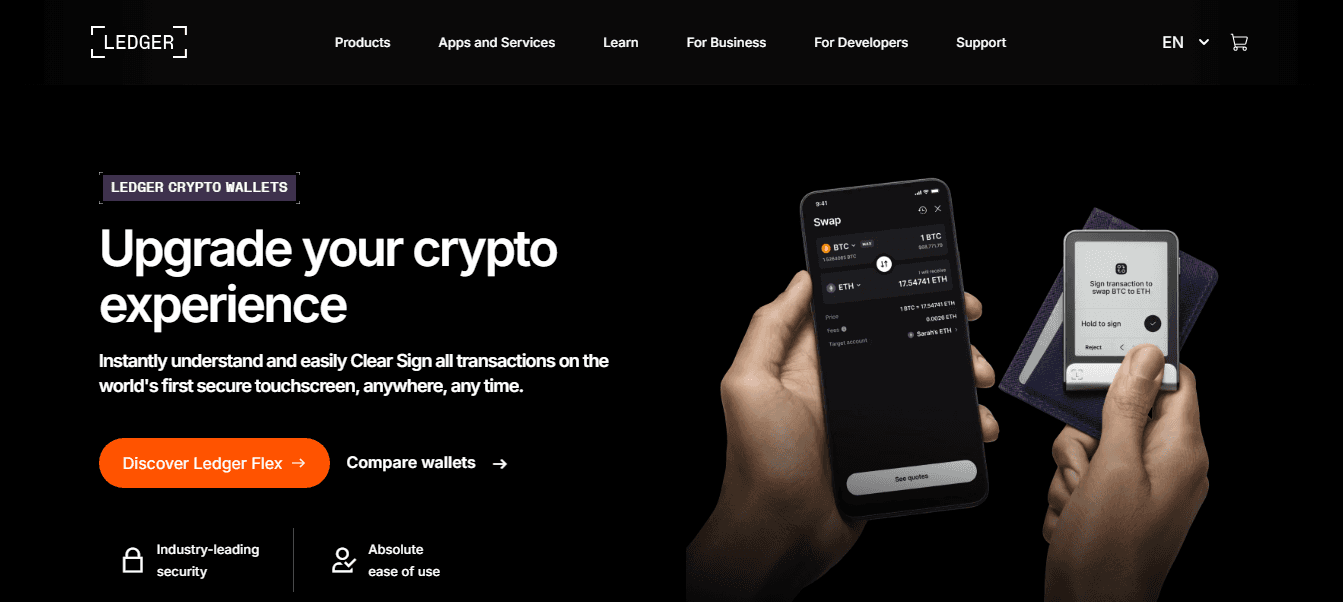
Ledger Login: Complete Guide to Secure Access and Crypto Management
Ledger Login is the secure access process for Ledger hardware wallets and Ledger Live, the official cryptocurrency management software. Whether you are a beginner or an advanced cryptocurrency user, understanding Ledger Login is critical to safeguarding your digital assets. This guide provides a comprehensive overview of Ledger Login, its importance, security features, setup process, best practices, and long-term benefits for managing cryptocurrency portfolios safely.
What Is Ledger Login?
Ledger Login is the process by which users gain access to their Ledger hardware wallet and Ledger Live application. Unlike traditional online logins, Ledger Login does not rely on usernames and passwords stored online. Instead, access is secured through the hardware device, which keeps private keys offline.
Ledger Login ensures that only the wallet owner can authorize transactions and manage accounts, providing a strong layer of security against unauthorized access. The process typically involves connecting your Ledger device to Ledger Live and verifying credentials through PIN codes, passphrases, and recovery phrases.
Why Ledger Login Is Important
Ledger Login is more than just a way to access your wallet; it is the first line of defense in cryptocurrency security. Its importance includes:
Protecting Private Keys: Your private keys never leave the Ledger device during login, keeping them safe from online threats.
Transaction Verification: Ledger Login ensures that any transaction is verified by the hardware wallet before execution.
Preventing Unauthorized Access: Only the device holder with the correct PIN and optional passphrase can access accounts.
Secure Portfolio Management: Ledger Login allows access to Ledger Live to manage multiple cryptocurrencies without exposing sensitive data.
Components of Ledger Login
1. PIN Code
When initializing your Ledger device, you are prompted to create a PIN code. This PIN is required each time you log in and protects your device from unauthorized physical access.
2. Recovery Phrase
During wallet setup, users receive a recovery phrase (typically 24 words). This phrase is essential for restoring access if the device is lost or damaged. Ledger Login works in conjunction with the recovery phrase to ensure secure account recovery.
3. Passphrase (Optional)
Advanced users can add an additional passphrase during Ledger Login. This extra layer of security creates a hidden wallet that can only be accessed with the passphrase and device.
4. Ledger Live Integration
Ledger Login is often the gateway to Ledger Live, the desktop or mobile application used for sending, receiving, and tracking cryptocurrency. Users must log in via Ledger Live by connecting their device, entering the PIN, and optionally using a passphrase.
How to Perform Ledger Login
Step 1: Connect Your Ledger Device
Plug your Ledger hardware wallet into your computer or mobile device using USB or Bluetooth (depending on the model).
Step 2: Enter Your PIN Code
Input your device PIN using the hardware wallet interface. This is required every time you log in.
Step 3: Optional Passphrase Entry
If you have set up an additional passphrase, enter it now to access hidden accounts.
Step 4: Open Ledger Live
Launch Ledger Live and select the wallet you wish to access. The application will verify the connection with your hardware device.
Step 5: Access Your Account
Once the device and Ledger Live are connected, you can securely manage your assets, track balances, and send or receive cryptocurrency.
Ledger Login ensures that all critical actions are verified on the hardware device itself, preventing unauthorized operations.
Security Features of Ledger Login
Ledger Login emphasizes strong security principles:
Offline Key Storage: Private keys never leave the Ledger device during login.
Device Verification: Every transaction requires confirmation on the hardware wallet.
PIN Protection: Access is secured with a user-defined PIN.
Recovery Phrase Guidance: Users are guided to store recovery phrases securely offline.
Optional Passphrases: Provides an extra layer of security for advanced users.
By combining hardware security with software verification, Ledger Login ensures that cryptocurrency remains protected at all times.
Ledger Login for Beginners
For beginners, Ledger Login may seem complex, but the process is straightforward with guidance:
Use a strong PIN code that is difficult to guess.
Store your recovery phrase offline in a secure location.
Connect your Ledger device only to trusted computers or devices.
Verify all transactions on the hardware device rather than relying solely on Ledger Live.
Following these steps ensures that beginners can securely access and manage their cryptocurrency portfolios.
Ledger Login for Advanced Users
Advanced users often leverage additional features during Ledger Login:
Passphrases: Creating hidden wallets for extra security.
Multiple Accounts: Managing multiple wallets and cryptocurrency accounts simultaneously.
Staking and DeFi Integration: Accessing Ledger Live to stake supported cryptocurrencies or interact with DeFi protocols.
These features allow advanced users to maintain complex portfolios securely while benefiting from Ledger’s robust protection mechanisms.
Common Ledger Login Mistakes to Avoid
To maintain security, users should avoid these common mistakes:
Using the same PIN across multiple devices
Sharing the recovery phrase digitally
Connecting the Ledger device to untrusted computers
Ignoring device firmware updates
Skipping hardware verification during transactions
By avoiding these errors, users can ensure that their Ledger Login process remains secure and reliable.
Backup and Recovery
A critical part of Ledger Login is understanding backup and recovery:
The recovery phrase is the only way to restore access if the Ledger device is lost or damaged.
Backup phrases should never be stored digitally or online.
Offline storage, such as a safe or secure paper wallet, is recommended.
Ledger Login allows restoration of accounts securely by using the recovery phrase combined with the hardware device.
Proper backup practices ensure users maintain long-term access to their assets.
Ledger Login and Transaction Privacy
Ledger Login reinforces privacy by keeping private keys offline and requiring physical confirmation for all transactions. Users can verify the recipient address and amount directly on the device.
This approach minimizes the risk of unauthorized transactions and ensures full control over assets.
Long-Term Benefits of Ledger Login
Ledger Login provides long-term benefits for cryptocurrency management:
Security: Keeps assets safe from hacks, malware, and phishing attacks.
Self-Custody: Grants full control over private keys.
Ease of Use: Provides a streamlined interface for accessing Ledger Live.
Portfolio Management: Enables multi-account oversight and transaction monitoring.
By using Ledger Login correctly, users can confidently manage assets for the long term.
Ledger Login in the Cryptocurrency Ecosystem
Ledger Login strengthens the crypto ecosystem by promoting self-custody and secure asset management. By keeping private keys offline and requiring device verification for all operations, Ledger Login helps reduce the risks associated with centralized exchanges and online wallets.
Widespread adoption of Ledger Login and Ledger Live builds trust in hardware wallet security and encourages responsible cryptocurrency practices.
Conclusion
Ledger Login is the secure gateway to accessing Ledger hardware wallets and Ledger Live. It combines convenience with robust security, ensuring that private keys remain offline and transactions are verified directly on the device.
From beginners to advanced users, Ledger Login allows safe access to cryptocurrency portfolios, transaction verification, multi-account management, and optional staking and DeFi interactions. By following best practices—secure PINs, safe storage of recovery phrases, hardware verification, and passphrase usage—users can confidently manage their digital assets over the long term.
Ledger Login is a critical component of cryptocurrency security, bridging the gap between secure hardware storage and user-friendly software management.